NJ Association for Gifted Children

NJAGC Annual CONFERENCE

April 17, 2026

Attendee Registration

Register today!

Registration

Sponsors

Presenter Portal

Presenter Portal

We are now accepting presentation submissions for our 2025 conference!

Submit Here

Presenter Portal

Presenter Portal

Registration

Attendee Registration

Registration end 4/1

Register Today

Register

Register

Early Bird Registration is now open!

Register

Sponsors

Sponsors

Exhibitor Info

Exhibitors Registration is now closed.

Exhibitor Registration

Exhibitor Registration

Events Info

Events

Day-of Information for our 2023 Conference

Event Info

Don’t Miss Out! Register for the Annual Gifted Conference Today!

Join us for an inspiring and enriching experience at the NJAGC Annual Conference, where educators, parents, and advocates come together to explore the latest in gifted education.

  • Engaging Keynotes & Workshops
  • Cutting-Edge Research & Best Practices
  • Networking with Experts & Peers


Registration Deadline for Purchase Orders: March 1, 2025

Secure your spot today and ensure your school or district processes your registration on time!

👉 Register now on our conference registration page at: https://njagc.org/conference-2025

Venue 

The Palace at Somerset Park

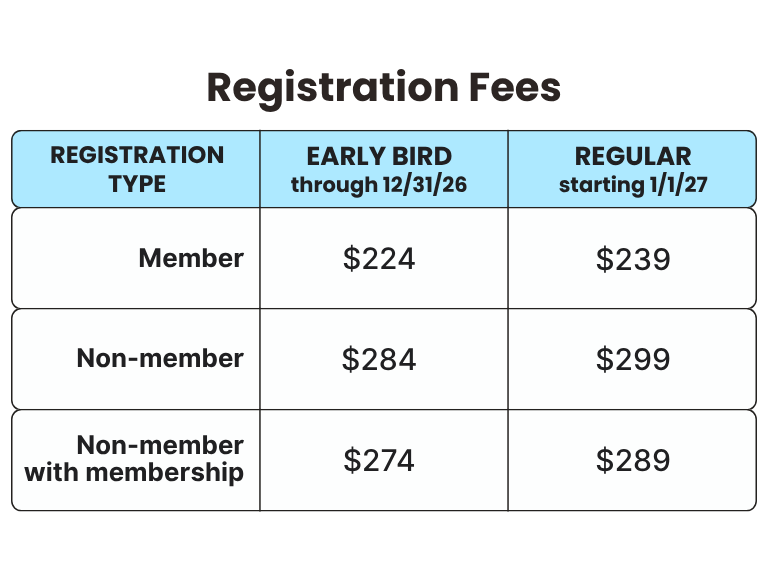
Pricing

Regular member: $239
Regular non-member: $299
Regular non-member + membership: $289

Hotel 

Courtyard by Marriott Somerset

250 Davidson Ave.
Somerset, NJ 08873

We have secured a special group rate of 99.00 USD per night. Last day to book is March 16, 2026. 

Book Online 

Phone: (800) 321-22116

Presenters and Sessions

8:55 – 9:45: Keynote

Brian Housand

Architecting Excellence: Designing Gifted Experiences That Matter

Ballroom

Today’s gifted students are curious, intense, asynchronous, anxious, brilliant, bored, passionate, distracted, and absolutely unimpressed by anything that feels fake. They can spot busywork from across the room, ask questions you did not plan for, and derail a lesson with one perfectly timed “But what if…?” Some are terrified of being wrong, bored by being right, and deeply uncomfortable with anything in between. Others can debate ethics, redesign systems, and then melt down because the marker squeaks. Many are wrestling with perfectionism, anxiety, or quiet resistance while holding themselves to impossible standards. Teaching them is not about adding more activities or chasing engagement. It is about design. Gifted teaching is both an art and a science, requiring intuition, creativity, structure, and intent. Architecting excellence means building experiences strong enough to hold curiosity, challenge, and complexity without collapsing. No fluff. Just smarter design for real gifted kids, and the teachers who refuse to underestimate them.
10:00 – 10:45: Session 1

Karen Cristalli

Gifted Ed 101: Identification, Differentiation, and Best Practices

Lecture Suite (upstairs)

Join this session to explore strategies for identifying gifted learners, differentiating instruction, and implementing best practices in gifted education. You will gain practical tools and actionable insights to better support your students’ unique strengths and potential, enhancing your understanding and improving your instructional practices.

Dr. Aileen Castro

Boujee on a Budget: Maximizing Student Experience with Minimal Funding

Salon 1
(upstairs)

Even with a limited budget, you can create meaningful opportunities for students through creativity and practical strategies. This workshop will show how combining proven approaches can make a lasting impact, while focusing on the best tool in your toolbox…YOU.

Amy Spivey

Self-Contained Gifted Model

Salon 2
(upstairs)

Self-contained models are something that is not often done with gifted and talented but it is something that has been working with our school district for four years. Because of having the students for the whole day, the teachers can accelerate the general education program to meet the needs of the students. Additionally, our classes are mixed-grade, making the model even more unique. This workshop will discuss the benefits of doing a self-contained model of G&T and how it has worked in Keansburg. I will also discuss the social and emotional benefits of having a mixed-grade classroom where the older students can be role models for the younger students and the younger students can benefit from learning from the older students in the classroom.

Melissa Hill and Chelsea Clarke
Brains & Balance: Helping Gifted Students Thrive Socially and Emotionally

Salon 4
(upstairs)

Join us to explore practical ways to integrate social-emotional learning and executive-functioning skills with gifted students K–12. We will share lesson examples addressing burnout, communication, perfectionism, boundaries, self-control, organization, and collaboration, and discuss how to adapt your district’s existing SEL tools for gifted learners at various developmental levels and contexts.

Mary Ann Clark

Building Character with STEM

West Foyer
(downstairs)

This workshop is designed for educators, administrators, and curriculum developers interested in nurturing the unique potential of gifted students with a strong interest in STEM (Science, Technology, Engineering, and Mathematics). Participants will explore strategies for identifying STEM-focused talents, designing challenging and engaging learning experiences, and fostering creativity, critical thinking, and problem-solving skills. Through interactive discussions, case studies, and practical activities, attendees will gain actionable insights on how to inspire gifted learners, connect STEM concepts to real-world applications, and create a supportive environment where curiosity and innovation thrive.

By the end of the session, participants will be equipped with tools and strategies to cultivate the next generation of STEM thinkers and innovators.

Paul Kelly

Shakespeare Made Clear

NW Ballroom (downstairs)

“Shakespeare Made Clear” is an assembly program for high school students designed to introduce them to Shakespearean drama. We make it accessible and fun in an effort to demystify literature that many find intimidating. It features excerpts from A Midsummer Night’s Dream, Romeo and Juliet, and Hamlet with an educational narration about Shakespeare’s life, language and works.

10:55 – 11:40: Session 2

Brian Housand

Rabbit Holes That Go Somewhere: From Curiosity to Contribution

Ballroom

Gifted students are amazing at going down rabbit holes. They are less amazing at knowing when to stop, what to do next, or how to turn curiosity into something meaningful. Left alone, curiosity can spiral into chaos, avoidance, or endless Googling that never quite lands. This session is about designing rabbit holes on purpose. You will explore practical structures that help curiosity deepen instead of drift, challenge without overwhelm, and lead to thinking, products, or contributions that actually matter. Expect concrete tools, usable frameworks, and plenty of “oh wow, that explains my kids” moments. Wonder stays. Structure gets smarter. Rabbit holes finally go somewhere.

Dr. Matt Zakreski

The Power of Non-Zero Thinking: Understanding Anxiety and Making it Work For You

Lecture Suite (upstairs)

“Have you tried NOT being anxious?” Well, if it was that simple, my job as a psychologist wouldn’t exist. The fact is that life presents us with lots of challenges that naturally bring up feelings of anxiety. The more ambitious, accomplished, and successful you are, the more feelings may come up when we face increasing challenges. These feelings cannot be eliminated, but they can be managed.

Kelly Kearney

One Is Good, Two Is Better: Co-Teaching Strategies for Differentiated Instruction

Salon 1
(upstairs)

This presentation examines co-teaching models used to differentiate instruction across content areas. Attendees will learn concrete strategies for grouping, curriculum compacting, and instructional decision-making that support advanced learners while maintaining access, rigor, and coherence within heterogeneous classrooms.

Lenore Cortina, Lynne Henwood and Ali Welch

Multi-Tiered Systems of Support for Gifted Learners

Salon 2
(upstairs)

Multi-Tiered Systems of Support is a data-driven school improvement framework designed to meet the academic, behavioral, and social-emotional needs of every student. This session will explore the role of MTSS in the education of advanced learners. Focus will be on the integration of gifted services into the MTSS framework to equitably identify and serve gifted learners.

Kimberly A Lansdowne

Cluster Grouping Using Building Norms Increases Inclusion!

Salon 4
(upstairs)

Cluster grouping expands access to gifted services by using universal testing and building norms to reduce bias. After identifying student ability and achievement levels, schools create balanced classroom groups and support teachers with culturally responsive training. This session provides guidance for implementing inclusive, effective cluster-grouping models.

Melissa Antinoff and Christine Skinner

Build It, Solve It, Share It, Gifted Style, Powered by Choice

West Foyer
(downstairs)

Lumberton educators will share how they use project based learning, choice, and personalized learning to support gifted students. Attendees will see classroom examples and hear how these practices help students think deeply and create meaningful products.

Caryn Bennington and Kimberly Grigoli

Creating Space for All

NW Ballroom
(downstairs)

Outdoor learning spaces boost engagement, wellness, and environmental awareness. This session shares our journey to plan, fund, and build an outdoor classroom tailored to student needs by detailing timelines, stakeholder engagement, budgeting, and how the space allows for differentiated instruction and challenges learners of all abilities.

12:55 – 1:40: Session 3

Advocacy Panel Continued

Ballroom

Dr. Matt Zakreski

Going from “Scream Time” to Screen Time: How to Have Healthy Relationships with Social Media

Lecture Suite
(upstairs)

“Put your phone down!” One of the biggest differences in teaching, parenting, and coaching kids today is having to navigate the outsized role of technology, namely the intersection of social media and smartphones. Social media is not solely a detriment to personal development, but it isn’t wholly positive either. This session will outline how to use social media effectively, appropriately, and safely.

Zachary Morolda, Samantha McCloud and Kristin Miller

Evolution in Motion: Evolving & Installing Responsive 21st-century Gifted & Talented Programs into Complex School Districts

Salon 1
(upstairs)

Discover how nationally recognized gifted and talented programs are evolving to meet the needs of diverse learners. This workshop offers practical strategies for designing, implementing, and sustaining inclusive, whole-child programs. Gain insights on leadership, collaboration, and responsive practices that foster excellence and engage students at every level.

Leslie Kerner

Visual Puzzles: Empowering Nonverbal Reasoning Ability for Gifted Kids

Salon 2
(upstairs)

Discover the importance of nonverbal reasoning and the challenges of identifying and nurturing it in gifted programs. Explore how puzzles can help both “talent scout” and engage students in visual-spatial thinking. Leave with ready-to-use resources for teaching these skills in fun, empowering ways and ensuring that ALL learners feel valued.

Ali Welch

From Compliance to Curiosity: Shifting Classroom Culture to Prioritize Thinking Over Tasks

Salon 4
(upstairs)

Move beyond “check-the-box” learning! Join this session to explore how curiosity can drive engagement and deepen thinking. Through examples and strategies, you’ll learn how to transform classroom routines, assessments, and discussions to nurture wonder, autonomy, and authentic intellectual growth in all learners.

Lauren Worthington and Timothy Nellegar

Think Like Engineers, Act Like Citizens: Integrated Learning Pathways for Grade

West Foyer
(downstairs)

This session highlights interdisciplinary STEM and Social Studies curricula for gifted learners in Grades 1–5. Participants will explore how cross-curricular design, problem-based learning, and thematic “crosswalks” strengthen student engagement and deepen conceptual understanding while supporting core standards across content areas.

Cassidy Varga

Differentiating Up: Strategies to Stretch and Challenge Your Students

NW Ballroom (downstairs)

Take differentiation to the next level! In this session, you will explore how to understand your learners, apply key differentiation elements, and implement classroom-ready strategies that challenge every student, leaving with practical tools and resources to use immediately in your classrooms.

1:50 – 2:35: Session 4

Jonathan Plucker

Some Radical Ideas About Advanced Education

Ballroom

Research on gifted and advanced education has significantly advanced over the past 15 years, yet much of what we’ve learned has not translated into classroom practice or been shared with families. The goal of this session is to share current theory and research on advanced education, much of which runs counter to traditional practice in gifted education. The focus throughout the session is on practical implications for educators and caregivers.

Joe Bolen and Meghan Gill

4 C’s for 2 E’s: What Your School May Be Overlooking for Exceptional Learners

Lecture Suite
(upstairs)

Learn how Communication, Collaboration, Creativity, and Critical Thinking support gifted and twice-exceptional learners. Presenters share actionable strategies, tech tools, and MTSS best practices for nurturing academic strengths and social-emotional growth. Perfect for educators, coordinators, and families seeking practical solutions and deeper understanding.

Sandra Schwartz and Danielle Barkey

Rethink, Revise, Revamp: Transforming Math Instruction from the Ground Up

Salon 1
(upstairs)

Reimagine your math instruction by rebuilding your program around standards, not textbooks. In this dynamic session, learn to review scope and sequence, design balanced common assessments, and foster a culture of innovative, risk-taking instruction. Leave with practical strategies to align curriculum and inspire deeper student learning.

Alia Pineda Medina

From What’s Given to Gifted: Building Enrichment into Any Curriculum

Salon 2
(upstairs)

When the curriculum falls short, gifted and talented learners still need support. One way to nurture their talents is through differentiation. This session enhances your differentiation toolkit with strategies for pre-assessment and enrichment with G&T learners in mind. Bring a lesson plan, and we’ll put the toolkit into action together.

Kristin Mattaliano

Hands-On Enrichment: Innovative Experiences for Gifted Learners

Salon 4
(upstairs)

Discover hands-on enrichment experiences designed to engage gifted learners in grades K–8. This session highlights invention-based learning, augmented reality, and project-based STEM initiatives that promote creativity, problem solving, and real-world application. Participants will explore programs that support student voice, innovation, and advanced thinking.

Lynne Henwood

Virtual Learning That Works for Gifted and 2e Students

West Foyer
(downstairs)

Virtual learning is often dismissed as ineffective for gifted and twice-exceptional students. When intentionally designed, it can be powerful and responsive. This session explores research-based elements that make virtual learning work, including synchronous instruction, executive-function scaffolding, strengths-based differentiation, social-emotional supports, and community-building, offering practical guidance for evaluating and designing programs.

Jeanne Muzi

Gifted Educators As Change Makers: Cultivating Schoolwide Thinking!

NW Ballroom (downstairs)

This session will empower K-8 gifted educators to leverage their skills to integrate thinking & creative problem solving across their schools…to support identified students & grow the potential in underserved & hidden students. By helping to foster “thinking cultures” in ALL classrooms, we’ll grow learning environments of wonder, curiosity & high expectations for all!

2:45 – 3:30: Session 5

Ellen Kolonoski

Wonder: The Ultimate Learning Superpower

Ballroom

Ignite the superpower of wonder with your gifted learners. Learn easy, high-impact strategies that fuel creativity and deep thinking and transform everyday lessons into extraordinary learning experiences. Leave inspired to build “wonder-full” classrooms where learners think boldly, question widely, and marvel at new possibilities.

Adam Laningham

But I’m Gifted, Why Is Writing So Difficult?

Lecture Suite
(upstairs)

Gifted children often struggle with writing due to perfectionism, sensitivity, and asynchronous development, making it both challenging and emotional. This session explores root causes and equips educators with practical strategies to reduce stress, foster creativity, and create classrooms where writing becomes meaningful, enjoyable, and confidence-building for gifted learners.

Dr. Andrew Billups and Dr. Phil Oliveira

Gifted, Talented, and Thriving: Supporting Student Wellness Everywhere

Salon 1
(upstairs)

This presentation explores the unique wellness needs of gifted and talented students across school, home, and social environments. Parents and educators will learn practical strategies to help students find balance, build resilience, and thrive in all aspects of their life.

Nancy Sardone

STEM-Based GT Activities for Young Ecologists

Salon 2
(upstairs)

Discover empowering activities for GT students to use their STEM skills and creativity to explore their relationship to the natural environment and sustainability. Raise environmental literacy while imagining new sources of energy, devising ideas for protecting threatened species and enhancing agriculture. Engage in simulations, guided imagery and collaborative problem solving.

Jennifer Anderson

Start the Day With Play

Salon 4
(upstairs)

Start the Day with Play introduces a simple, low-prep strategy to bring joy, curiosity, and connection back into gifted classrooms. Participants will explore why play matters for gifted learners and leave with practical, ready-to-use ideas to create joyful, engaging learning environments—starting tomorrow morning.

Jacqui Byrne and Celia Strino

Innovative public-private partnership addressing equity gaps in 2e education

West Foyer
(downstairs)

This presentation introduces an innovative public-private partnership model addressing equity gaps in twice-exceptional education within public school systems. The partnership model enables compliant programming delivery through reimagined service structures, incorporating essential change management and mindset shifts among educators.

Monica Simonds

Strengths in Every Language: Identifying and Growing Talent in NJ Classrooms

NW Ballroom (downstairs)

Explore how New Jersey’s Strengthening Gifted and Talented Education Act can guide strengths‑based growth for all students. Learn research‑aligned tools for multi‑measure assessment, instructional adaptations, and expanding access to NJ’s continuum of gifted services while supporting language and academic growth.

Follow us on social media @njagc on Instagram and New Jersey Association for Gifted Children on Facebook for the Keynote and Theme big reveal the week of 10/13.

Need to justify the conference for your purchase order? Why should I attend the 2026 NJAGC Conference?

Need to submit your PD Request with reasons to attend the New Jersey Association for Gifted Children Annual Conference?  Here you go! Attending the NJAGC Conference provides a valuable professional learning experience that benefits educators and students. Below are key reasons to support a request for attending as part of a professional development plan:

  • Professional Development Aligned to District Goals
    • Sessions focus on equity in identification, curriculum innovation, social-emotional needs, and differentiated instruction—directly addressing state and district priorities.
    • Attending meets continuing education and professional learning requirements.


  • Improved Identification & Equity
    • Learn strategies to reduce underrepresentation of diverse populations in gifted programs.
    • Gain access to updated research and tools to strengthen local identification processes.


  • Curriculum & Instructional Benefits
    • Acquire new strategies for designing and differentiating curriculum for gifted learners.
    • Learn how to adapt current resources and standards for advanced and twice-exceptional students.


  • Programming Models & Best Practices
    • Explore different models (pull-out, cluster grouping, acceleration, enrichment, etc.) to inform district programming decisions.
    • Discover ways to maximize limited resources for gifted services.


  • Networking & Collaboration
    • Connect with experts, researchers, and peers across the state/nation.
    • Bring back practical ideas, lesson designs, and problem-solving strategies to share with colleagues.


  • Research-Based Practices
    • Stay current with evidence-based strategies and national gifted trends.
    • Use conference research sessions to strengthen district proposals or meet state compliance requirements.


  • Teacher Resources & Tools
    • Gather ready-to-use classroom strategies, technology resources, and curriculum frameworks.
    • Access materials that support differentiated instruction and enrichment opportunities.


  • Return on Investment
    • Conference learning is multiplied when attendees redeliver sessions or host workshops for colleagues.
    • Attending now helps reduce long-term costs by improving program design and reducing teacher turnover.

Don’t Miss this Opportunity to Connect, Learn, and Grow!

Need to submit your PD Request with reasons to attend the New Jersey Association for Gifted Children Annual Conference?  Here you go! Attending the NJAGC Conference provides a valuable professional learning experience that benefits educators and students. Below are key reasons to support a request for attending as part of a professional development plan:

1. Enhance Instructional Strategies

  • Gain research-based strategies to differentiate instruction for gifted and advanced learners.
  • Explore innovative teaching methods that foster creativity, critical thinking, and problem-solving.


2. Stay Current with Best Practices

  • Learn from nationally recognized experts in gifted education.
  • Discover new tools and resources to improve student engagement and achievement.


3. Align with State and District Goals

  • Ensure compliance with gifted education requirements and best practices.
  • Support district initiatives focused on equity, acceleration, and personalized learning.


4. Network with Experts and Peers

  • Connect with educators, administrators, and researchers dedicated to gifted and talented education.
  • Collaborate with professionals from various districts to share ideas and solutions.


5. Earn Professional Development Credits

  • Many sessions qualify for continuing education units (CEUs) or professional development hours.
  • Apply conference learning to school-wide initiatives and curriculum development.

Schedule

Presentation Schedule